 ROOTWIN PROJECT
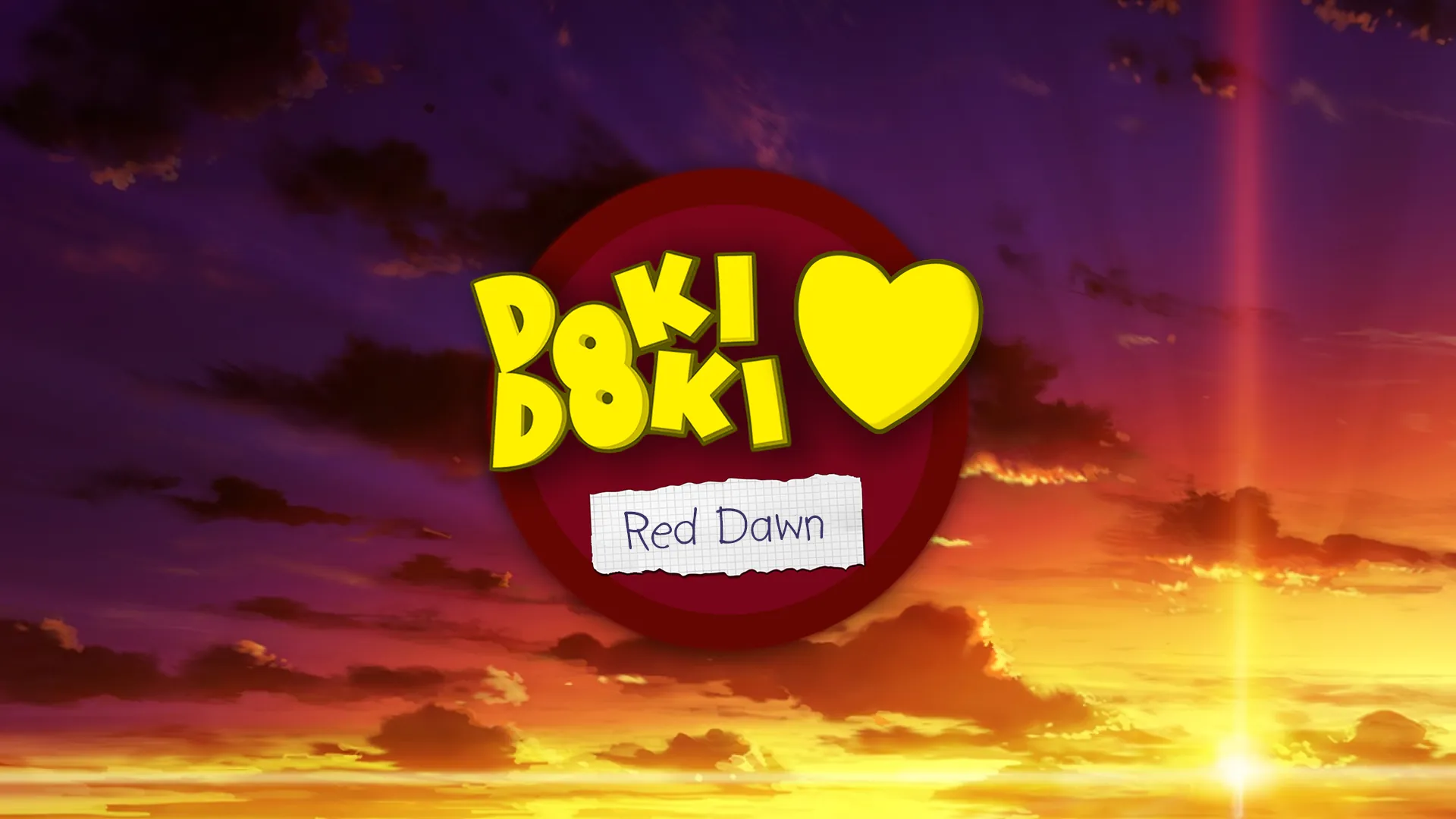
Doki Doki: Red Dawn — A Big Story About Moscow, Tokyo, and a Second Chance
Spoiler warning: the setup and general story direction are discussed below, but without spoiling the key plot resolutions.
The project that stopped being a secret
On September 11, 2026, the lead developer officially introduced Doki Doki: Red Dawn to the English-speaking r/DDLCMods community. For international fans this was a surprise discovery, while the Russian version had already reached full release by that point.
For the Russian-speaking community, this was the moment foreign players finally got to meet a story that had already grown huge. The mod’s trailer came out on August 8, 2024, the release followed on August 22, and the project later received two major updates, Optima v1.2.0 and Proxima v1.3.0. The team is still polishing the mod with new patches, and once that work wraps up, they plan to move on to an English localization — no small task given the mod’s size and complexity.
What’s known about the project’s scale and concept
Based on public materials from TheOneTranslator and the team:
- Scale: the game’s code runs over 60,000 lines (as of Optima v1.2.0), with a multi-route, non-linear structure and a full post-release support cycle — this is effectively a standalone visual novel built on the DDLC engine, not a short mod with a couple of extra scenes.
- Genre: adventure, romance, drama, with touches of action and thriller, plus what the author calls a non-classical isekai. The genre mix is wide because each route in the mod has its own set of genres. Still, one core element runs through all of them: the protagonist moves from Moscow to a Tokyo suburb, and has to deal with the social and emotional difficulties of that adjustment — with no idea that something far bigger is hiding behind it all.
- Seven standalone stories: before Proxima, the game had five fully independent storylines; after the rework, that number grew to seven, since the Monika and Sayori routes became separate, complete stories with their own systems, music, and endings.
- Development team: production involved groups such as TheOneTranslator, RG Smoking Room, Soviet Tyan’s Studio, Divine Creators, and Mirabi Frame — writers for different routes, designers, artists, a sound director, programmers, and beta testers.
The setup: a ticket to another life
Red Dawn starts in a very grounded way. An ordinary February evening in 2018, a Moscow high schooler, prep for yet another academic olympiad, and the feeling that every day repeats the last one. The protagonist dreams of getting into a prestigious university, and his life revolves around studying, routine, and carefully laid-out plans for the future.
Then comes a message about a raffle for a house in Japan — an actual house in a Tokyo suburb, not some abstract prize. He tries his luck and, a week later, finds out that he has won. From there the story takes a sharp turn: the protagonist is pulled out of familiar Moscow reality into a space where he has to rebuild his whole life from scratch.
More than just DDLC transplanted to Japan
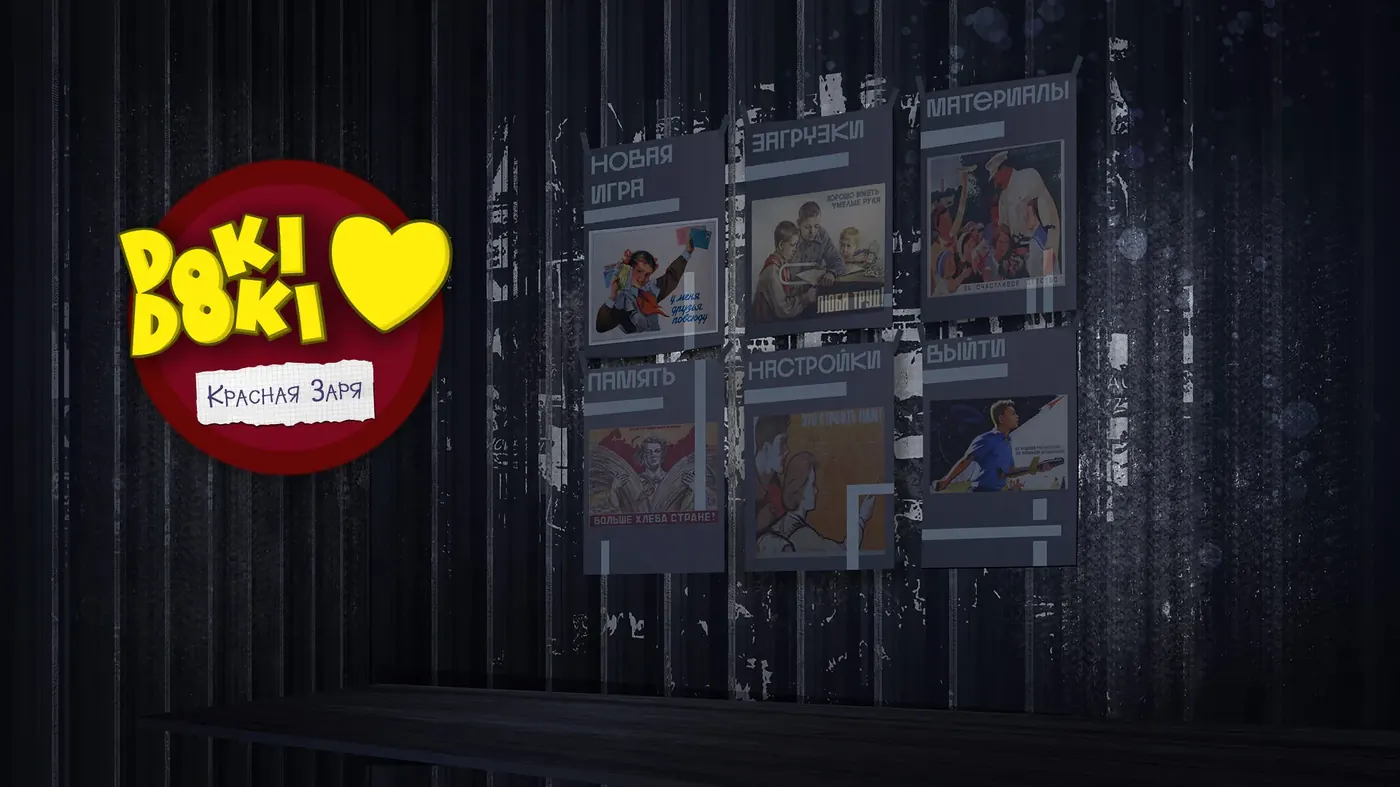
This is a recognizable DDLC-mod formula: school life, new relationships, talk about the future, and a slowly growing sense that something bigger is hiding behind the everyday details. The story never forgets where the protagonist came from either: Moscow, competition, education, social differences, and the unexpected cost of change stay in the background throughout.
Japan is a test of the protagonist’s character, not a dreamy backdrop. Winning the house doesn’t mean getting a ready-made happy life handed to him. He still has to figure out who he wants to be, who to trust, and how not to lose himself in a new place.
Atmosphere and visual language
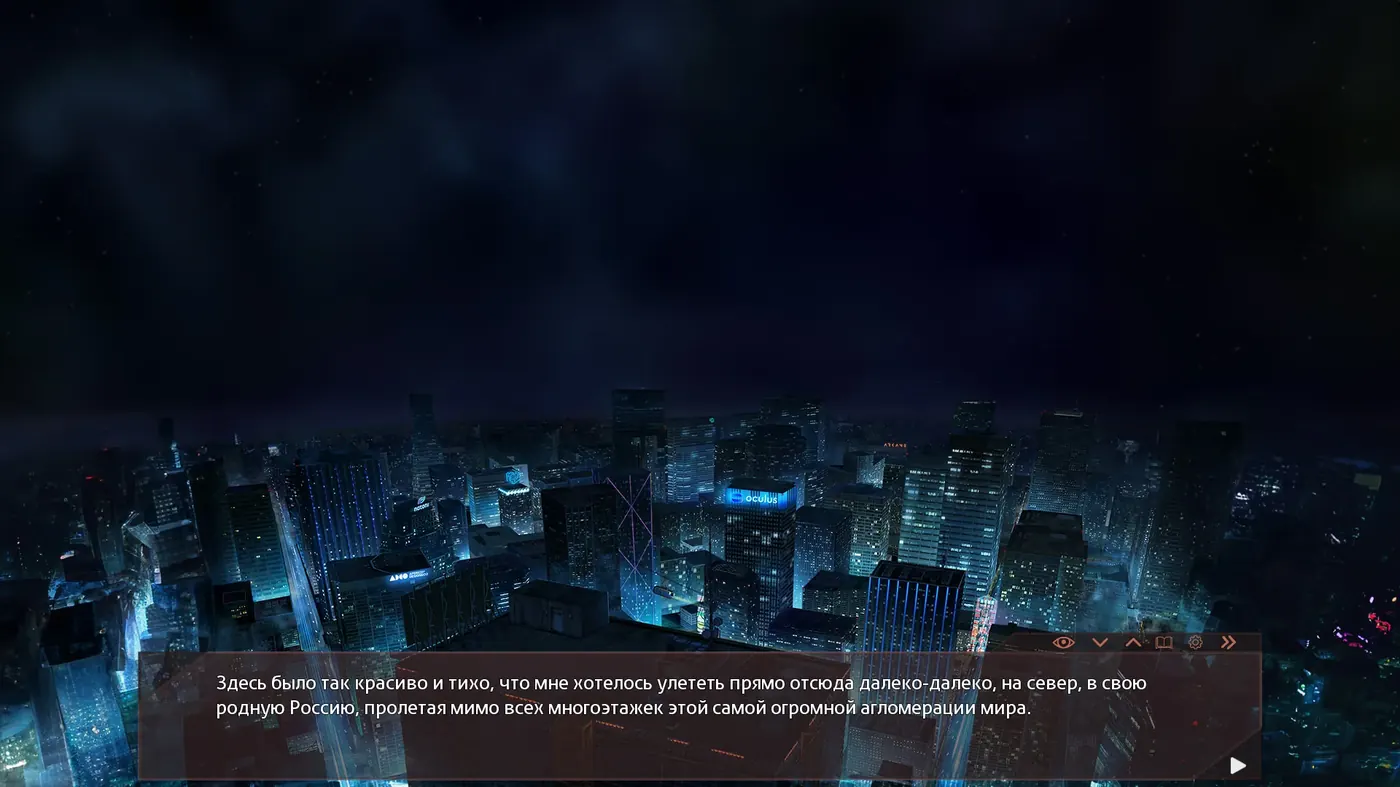
The project has a distinctive red-pink tone with its own visual identity — it nods to the title and adds a subtle sense of unease: sunset skies, warm lighting, sweeping city panoramas, and characters who look like they’re already standing on the edge of change.


Wide city shots give way to intimate scenes, and the familiar DDLC aesthetic takes on a more cinematic scale.
The road from release to Proxima
The August 22, 2024 release was only the beginning. The first big patch, Optima v1.2.0, came out a month later, and Proxima v1.3.0 followed on September 30, 2025 — called the biggest update in the project’s history by the lead developer.
Red Dawn grew as a long-running passion project rather than a one-off experiment: the team fixed bugs, reworked scenes, and put out extra material — from a pre-release build and the first patch all the way to hotfixes, music posts, and guides.
Before release: why the project stayed “secret” for so long
Roughly three and a half years of development led up to the release. November 27, 2020 is considered the official start date.
Development originally wasn’t meant to involve serious manpower or outside groups — at first it was built by just a couple of people from the Russian-speaking TheOneTranslator group. But as it became clear that the project was outgrowing its original scope as a screen adaptation of the Russian DDLC fan story “Russian Surprise: Remastered Version,” the author had to ask other groups within the Russian-speaking DDLC fandom for help, and eventually brought in outside teams as well. For almost the entire development period, the project stayed secret by the lead developer’s own decision, which is why the Russian-speaking DDLC fandom nicknamed it the “Secret Project.”
In August 2024, the project stopped being a secret. First came the mod’s trailer, then the developers released a pre-release PC build for TheOneTranslator’s Boosty and Patreon subscribers, before finally opening access to everyone. The authors warned in advance about the size of the download, prepared an FAQ page, and asked players to report bugs.
This approach says a lot about how Red Dawn is built. It’s a full-fledged game with its own production pipeline: writing and editing, code, UI design, backgrounds and CGs, trailer editing, sound, testing, and post-release support.
What changed between versions
It’s easiest to read Red Dawn’s history as three different states of one project:
- The August 22, 2024 release — the first complete version of the “Secret Project,” with seven routes, five of which were standalone stories, and a large initial download size;
- Optima 1.2.0, September 25, 2024 — the first serious attempt at technical stabilization: a significant reduction in game size, along with fixes for pause bugs, story loops, achievements, and screen-detection issues;
- Proxima 1.3.0, September 30, 2025 — a full-blown narrative and structural overhaul, after which the number of standalone stories grew from five to seven.
Optima tried to make the existing game more convenient and reliable. Proxima changed the script itself and how the game is played. Because of that major script overhaul, old saves aren’t guaranteed to work correctly after the update — the team explicitly warned that it’s better to start the mod over from scratch.
What exactly changed in Proxima
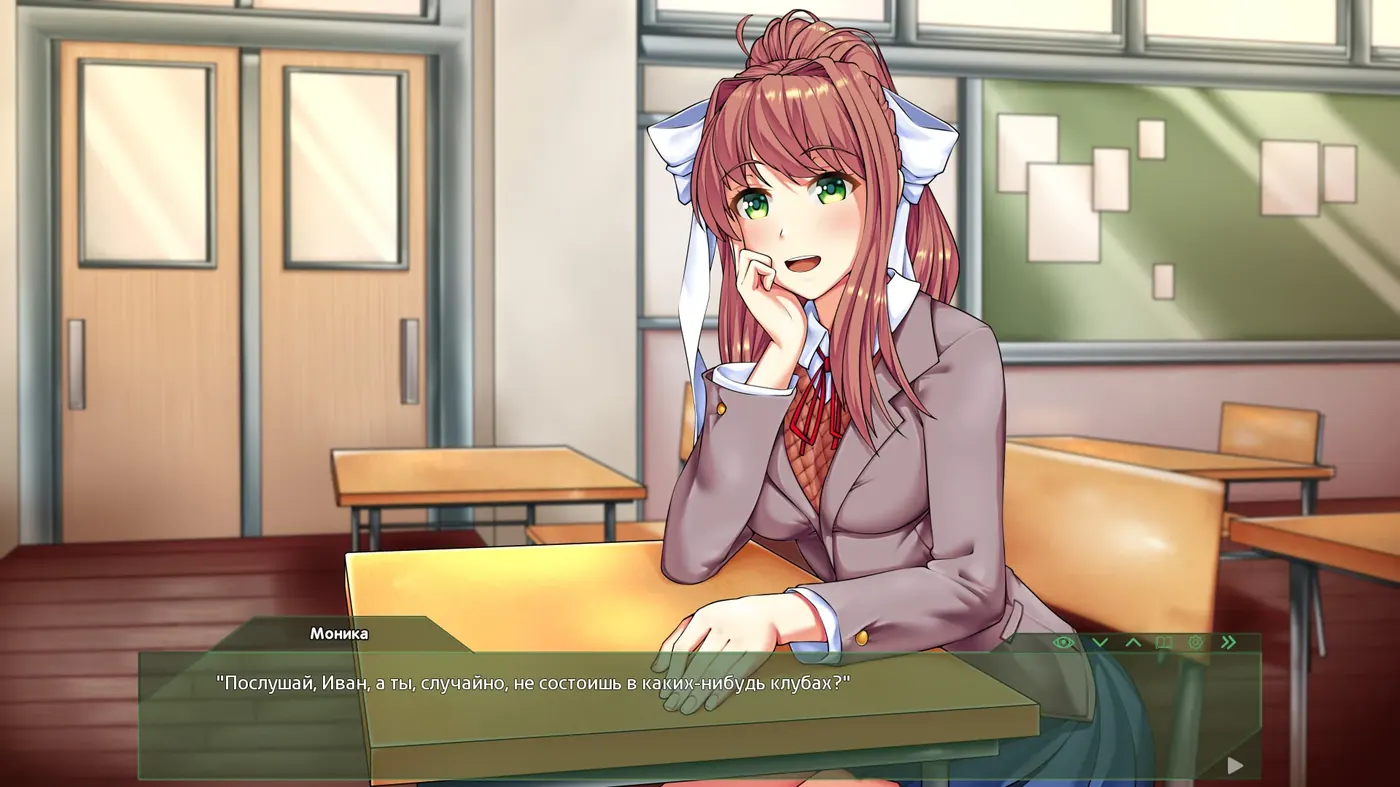
Proxima is not a cosmetic patch. The first ten chapters were rewritten based on player feedback: contentious and unnecessary scenes were cut, and the problematic moments carried over from “Russian Surprise” no longer appear in the main routes.
The main changes include:
- the Sayori route became its own story, Fire and Ice;
- the Monika route became its own story, Another Reality;
- these routes gained 13 new CGs, a new background, and a large set of new nighttime school backgrounds;
- 5 new endings were added, along with 25 new achievements as claimed by the developers;
- the Sayori route gained 50 new music tracks, and the Monika route gained 38;
- the karma systems were reworked so endings depend entirely on player actions instead of random chance;
- the Monika route gained the “Megaloshkoloinator” and a dithyramb-writing system;
- 400 new words were added to the poem-writing mini-game;
- flashbacks revealing more about the protagonist were added to the first ten chapters.

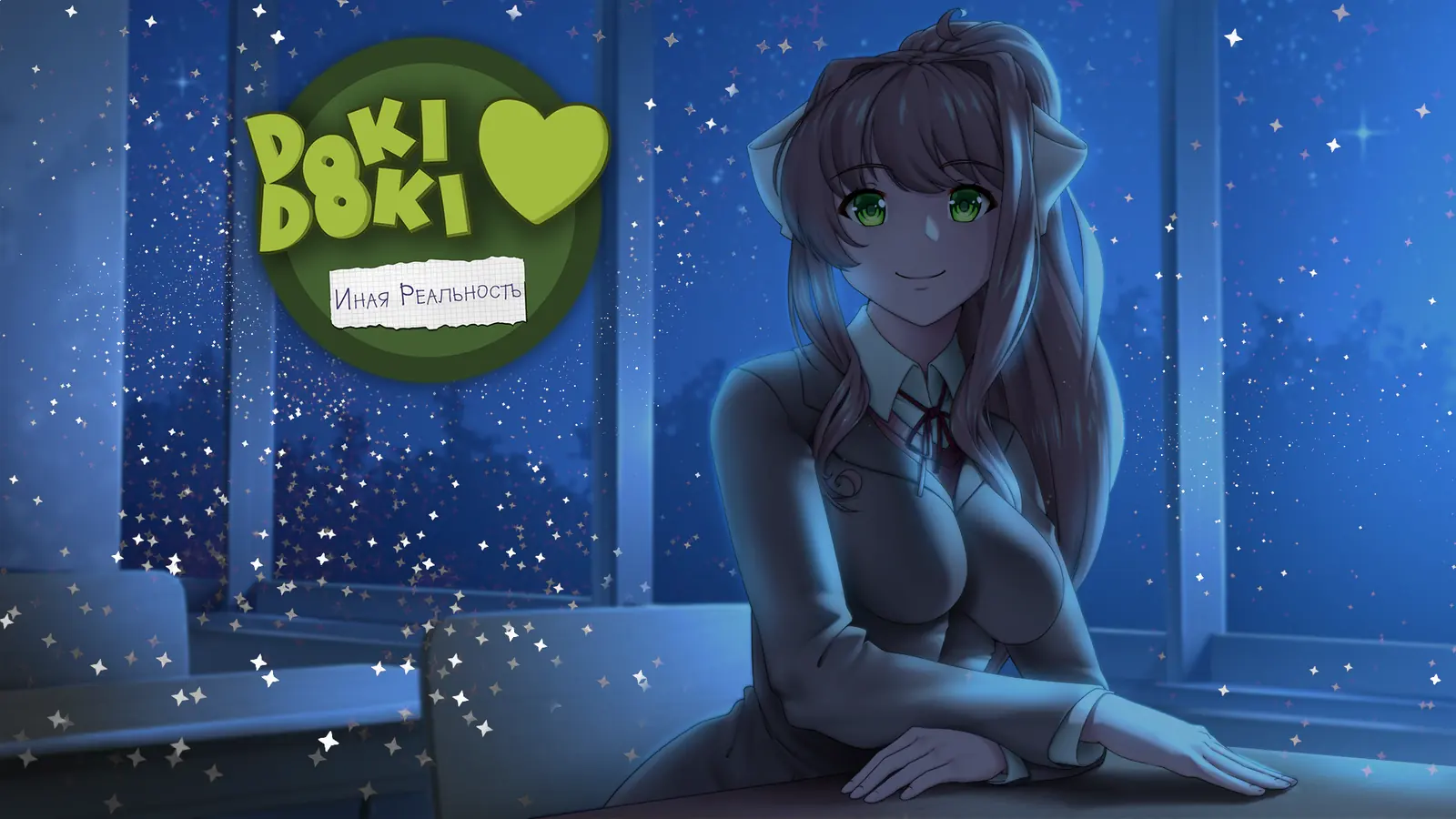
Alongside all these changes, the old “Sayori and Monika” route was kept fully intact along with its “Russian Surprise” legacy content, but it can no longer be reached on a first playthrough. To unlock it, the player now needs at least one ending in both the Monika and Sayori routes, followed by the right choice in chapter eight.
Why replaying makes sense
Red Dawn is one of the more replayable mods out there. Reading through a single chain of scenes simply isn’t enough: the large number of endings and achievements, the different karma systems per route, and the locked “Sayori and Monika” branch all give players a reason to go back and check how earlier choices ripple forward. Proxima noticeably strengthens this layer of the game.
Karma here isn’t a random generator that spits out a good or bad ending. For example, after Proxima, both the Monika and Sayori routes use two separate stats that track player behavior. That, in turn, pushes the player to stop guessing at some hidden dice roll and instead pay attention to which choices actually shape the protagonist’s character and his relationships with the girls.
The “Megaloshkoloinator” is a unique school-exploration system in the Monika route with no equivalent in any other mod. A hotfix added a geo-marker to it that changes depending on the floor and background, and aligned the room maps to a shared layout. A small detail, but after release the authors were polishing the interface, not only patching critical bugs.
Digging through the Proxima files shows that the achievement layer runs far deeper than the public list from the guides suggests. There are rewards for special encounters, repeat actions, musical references, and alternate choices — for example, replaying the piano scene with Monika, bringing up the Monty Hall problem in a conversation with Wallace, or refusing to read your poem at the festival. A separate group of achievements is tied to the good, bad, neutral, true, and infinite endings of the different stories.
The work is huge, and the main problem sits in the same place: the game barely explains its own progress map. Playing through it turns into an investigation, but there aren’t enough tools to tell an intentional secret apart from a flag you simply missed. That’s great material for a second playthrough with a guide, but not always an easy experience the first time around — which is why the project’s author recommends playing slowly and thoughtfully, without rushing.
Team, money, and production
For a long time, the project ran purely on enthusiasm. But the author notes that in May 2022, after taking a hard look at the project and admitting the visuals were frankly subpar, he decided to bring in professional artists, who needed serious money.
Before the pre-release PC build came out, a handful of enthusiasts supported the developers through a donation system on the Russian social network VK. Even so, in nearly every case the author relied on his own savings. After the pre-release PC build launched, the project moved to Boosty and Patreon, and one subscription tier offered merch — a mug and a pin with the mod’s branding — during the first two months after release. No exact figure for the mod’s total cost has ever been published, but the lead developer wrote the following in an FAQ:
Even roughly estimating how much has been spent on this project is incredibly hard. But one thing is certain: no mod in the Russian-speaking DDLC fandom — past, present, or future — has required or will require this much money during development.
As for the development team, it’s confirmed that representatives from groups such as TheOneTranslator, RG Smoking Room, Soviet Tyan’s Studio, Divine Creators, and Mirabi Frame were involved. The credits separately list the lead developer, his deputies, writers, designers, artists, a sound director, programmers, coders, and beta testers. The visuals developed in stages: menus, interface, backgrounds, color grading, sprites and CGs, with the trailer and intro handled as separate editing work.
Red Dawn looks like a collective fan production: a unified interface and script on the surface, with several parallel production tracks running underneath — from writing scenes to developing new patches that fix and expand the mod’s story.
Who worked on the project
This is confirmed right on Proxima’s startup screen once it’s unpacked: five groups are credited with development — TheOneTranslator, RG Smoking Room, Soviet Tyan’s Studio, Divine Creators (currently a deleted group), and Mirabi Frame.
A lengthy credits screen splits contributions across a large number of categories: Proxima developers, writers, designers, artists, programmers, composers, idea contributors, and a separate thanks section. There are even several distinct beta-tester blocks — no surprise for a project that’s changed more than once since release.
Ren’Py versions, requirements, and saves
The project has an unusually detailed history of technical changes. In Optima 1.2.0, the developers upgraded Ren’Py from 8.2.1 to 8.3.2, fixed bugs involving infinite pauses, loops in Dark Marathon, achievements, and screen-detection issues. The most practically useful change was compressing the download from 5.63 GB to 2.5 GB, which also reduced the chance of micro-stutters and launch issues on weaker systems.
In Proxima 1.3.0, Ren’Py was updated to 8.4.1. That brought new system requirements: Windows 10 or newer, and for Linux, Ubuntu 20.04+ or a compatible Steam Soldier environment. Because of the major script overhaul, old saves may not load correctly, so the team recommends starting a new game through the dedicated button — previously read scenes can then be fast-forwarded through.
What came out after Proxima’s release: hotfixes, guides, and feedback
The first hotfix after Proxima’s release, dated October 17, 2025, fixed the geolocation in the “Megaloshkoloinator,” a dream sequence in chapter nine of “Russian Surprise,” the “Arctic Ice” achievement not triggering, the karma system in the Yuri route, and a number of inconsistencies in the first ten chapters. The second hotfix, from November 4, fixed a global bug with Sayori’s name in outcomes tied to My Own Path, along with text errors in the early chapters and in the Sayori route up through chapter sixteen.

The team also released two parts of a walkthrough guide, warning that they’d update it as needed. A dedicated guide series for a single mod is itself a hint at the scale: systems, achievements, puzzles, and branch-access conditions.
Around the time the two hotfixes went out, the project’s author also warned that saves made between different states of Proxima (before and after the hotfixes) work most reliably at the start of chapters and within roughly 50–150 lines after a choice. Loading a save anywhere else risks errors, so players were advised to make a separate manual save before any important decision.
Music as a story layer of its own
In 2025, the project’s author posted a series of seven “Red Dawn OST be like” memes in the TheOneTranslator group, featuring tracks from Red Dawn. After Proxima, this layer became more prominent: the team published songs capturing the key motifs of the reworked Monika and Sayori routes, showing that those routes had gained not just new scenes, but their own emotional palettes conveyed through music.
The music in Red Dawn does a lot of the atmospheric work. It sets the rhythm of scenes, marks the protagonist’s state, and separates the stories by mood. In some scenes the track shifts before the plot does, and recurring motifs tie events and characters together.
Mod structure: routes and stories
Red Dawn is a massive, fully non-linear mod with several layers of access. The player first gets to know the overall story and its core conflicts, then unlocks individual routes, and later returns to familiar scenes with a new understanding of the conditions and consequences behind them.
The project’s author also notes that Red Dawn is a collection of 7 stories that also happen to be its routes:
- Fire and Ice (the Sayori route, also known as On Fate and The Heart of Red Dawn)
- Another Reality (the Monika route, also known as On Secrets and The Tear of Red Dawn)
- Dark Marathon (the Yuri route, also known as On Overcoming and The Strength of Red Dawn)
- History of Natsuki: Red Sunrise (the Natsuki route, also known as On Happiness and The Pearl of Red Dawn)
- Red Dawn itself (the All Girls route, also known as On the Protagonist and The Soul of Red Dawn)
- My Own Path (the route of the same name, also known as On Independence and The Will of Red Dawn)
- Russian Surprise: Remastered Version (the Sayori and Monika route, also known as On Wishes and The Mother of Red Dawn)
The authors tried to turn the routes into separate, complete stories rather than a set of dating options.
What works about this structure
It creates a real sense of scale — finishing one branch doesn’t close out the whole project, it opens up extra context for the next one. The developers aren’t trying to explain the entire lore and plot right away: plenty of details, lines, and seemingly random scenes only click into place once you’ve experienced the other parts of the mod.
The individual stories never feel like they’re deliberately withholding answers just to force players through everything else. Each story stays self-contained enough to answer most of the questions that actually matter within its own plot. A player can absolutely finish one playthrough, understand the conflict, the characters’ motivations, and what happened — and stop there.
A full playthrough works more like an extra layer for players who want more than that first level of understanding. Scattered hints gradually connect, the world’s mechanics become clearer, and the reasons behind certain events and the author’s ideas — which might have read as mere background before — start to make sense. So the “deep lore,” as the author calls it, doesn’t feel like a mandatory encyclopedia you need to make sense of the plot. It feels like a reward for curiosity: the more a player wants to dig into what’s really going on, the more the project is willing to tell them.
Where players will need patience
That same architecture can wear thin in places. It’s not always obvious, for instance, which choice leads to the My Own Path route and which one just changes a single scene within the main line. The conditions for unlocking hidden material are deliberately left unspoken, and some achievements and extra scenes require going back to choices you’ve already made. Without a guide, it’s easy to mistake certain events for one-off coincidences, with no idea a whole separate chain of content is hiding behind them.
On its own, that works well for a sense of mystery and encourages careful replaying. The real issue is scale: when a visual novel spans this many chapters, options, and overlapping conditions, it gets hard to tell not where you “went wrong,” but whether there’s anything left to find at all — especially when testing a single theory means backtracking a long way and replaying scenes you already know.
Built-in hints, a note-taking system, or a more informative progress map could make exploring the project more comfortable without giving away the secrets themselves. They wouldn’t need to show the correct choices — just help players see which directions they’ve already explored and where there’s still room for something new.
The route map: what the player actually explores
Red Dawn doesn’t have one “canonical” playthrough that covers the whole project. It’s easier to think of the structure as a tree of stories: each branch shows a different version of the protagonist, and replaying opens up context for the wider project’s lore.
The first 9 chapters
Moving to Japan, meeting the cast and the Literature Club, early choices, and accumulating character points. Most of the events here are shared across every story.
"The Main Choice"
The project's key fork in the road. The game checks accumulated points and met conditions, then shows the available stories. If more than one is unlocked, the final route pick is up to the player.
Fire and Ice
Unlocks if Sayori's share of total points across all four girls exceeds 35%. A standalone story with its own plot, its own dual karma system, and its own achievements and endings.
Another Reality
Unlocks if Monika's point share exceeds 20%. A separate story with its own plot, choice system, the "Megaloshkoloinator" and dithyramb-writing systems, and its own achievements and endings.
Dark Marathon
Unlocks if Yuri's point share exceeds 25%. A standalone story with its own conflicts, systems, and mechanics.
History of Natsuki: Red Sunrise
Unlocks if Natsuki's point share exceeds 30%. A self-contained storyline with its own scenes, achievements, and endings, written by the lead developer's first deputy.
Red Dawn
Unlocks if each of the four girls' point shares exceeds 15%. The project's central story, carrying the mod's main, defining ideas and the author's core themes.
My Own Path
Unlocks with at least 3 "loneliness points." Ivan doesn't pick one of the girls, instead following a self-contained storyline with its own choices and endings.
Russian Surprise: Remastered Version
The joint Sayori and Monika route. Requires at least one completed ending in each of their personal routes, a walk together in chapter 3, and agreeing to an adventure at the start of chapter 8. If all conditions are met, this route unlocks automatically and the other options at "The Main Choice" are locked out.
Standalone stories, shared lore
Each story has its own plot, progression, achievements, and endings, and can be experienced as a complete story on its own. At the same time, all seven routes take place in the same universe, start from the same point, and follow the same underlying rules.
Endings, achievements, and the bigger picture
Finishing one story doesn't close out the whole project. Going back to earlier choices lets you unlock other routes, collect their endings and achievements, and gradually see the connections between the standalone stories — building a fuller picture of Red Dawn's overall lore.
How to play without unnecessary frustration
It’s best to keep the first playthrough independent and not try to squeeze out every bit of available content right away. Red Dawn works noticeably better when played slowly and thoughtfully: read the dialogue carefully, pay attention to the consequences of your choices, and don’t rush to check a guide over every questionable scene. That way you keep both the dramatic twists and the sense of gradually discovering the world intact.
Once you hit your first ending, though, it’s worth pulling up a route map, an achievement list, or a guide. On replays, they help tell genuinely hidden conditions apart from branches you simply haven’t explored yet, and let you target missed content directly. Given how sensitive Proxima is to save compatibility, and how many conditions are tied to a specific sequence of scenes, this approach tends to be the most comfortable one.
The credits as a production record
Red Dawn’s credits read like a history of the project itself: separate sections cover developers for different versions, programming, writing and editing, art, music, testing, technical support, idea contributors, and a dedicated thanks section. Some blocks apply specifically to Proxima, so the final list reads more like a chronicle of several development stages than the credits for one finished build.
That also explains a lot about how the mod itself is put together. Red Dawn doesn’t feel like the work of one small, unchanging team that sat down and built a massive visual novel start to finish in one go — it feels like a project that grew over a long time, got passed between contributors, absorbed new material, and gradually reworked its own legacy. Some people laid the original groundwork, others developed individual routes further, and still others came back later to bring older material up to the new version’s standard.
The credits are another way to feel the scale. Behind the stories, music, art, routes, and extra scenes sits a distinct layer of work. Proxima feels like a multi-year collective project, where ideas, experience, and material piled up from version to version.
What Red Dawn doesn’t explain right away
- The progress map. The game doesn’t rush to show which branches are already exhausted or which conditions lead to the next story, so players end up piecing part of the structure together on their own.
- The weight of choices. Karma genuinely affects how things unfold, but the specific weight of individual decisions usually only becomes clear through their consequences.
- Secrets. Some achievements and extra scenes are built for careful exploration and require quite precise actions within larger scenes.
- Replaying. Being able to skip through already-read text helps a lot, though finding a specific branch point still sometimes means backtracking pretty far.
- Technical quirks. It’s worth knowing about save compatibility and a few build-specific quirks of Proxima ahead of time, especially if you’re planning several playthroughs across different versions of the mod.
This lack of transparency serves exploration. Red Dawn does not hand you the full project map up front; it invites you to work out how it’s built. On a first playthrough, that keeps a sense of the unknown alive; on later ones, it turns into a kind of investigation, especially with a guide or a route map on hand. That said, extra tools like a log of unlocked branches, a history of key decisions, or clearer warnings before especially important forks could make navigation easier without breaking the sense of mystery.
Breaking down Red Dawn
A closer look at Proxima’s strengths and rough edges, based on the script, game mechanics, and script structure.
Scale that isn’t just on paper
Red Dawn runs the risk of looking like a “big mod” purely because of its file size. But the scale here holds up across several independent layers: over 60,000 lines, five stories before Proxima and seven after the rework, more than 40 new CGs, 25 endings, more than 120 achievements, a variety of karma systems, and hundreds of music tracks.
The numbers hold because the changes connect, and the developers kept supporting that scale. Proxima, for instance, simultaneously rewrites the first ten chapters, reworks the Monika and Sayori routes, updates the interface, expands the poem mini-game, and adds flashbacks. That is a rebuild of the foundation after player feedback.
A setting that’s more than a tourist postcard
This story could easily have turned into a pile of clichés about a Russian schoolboy who won a house in Japan. But the setup itself gives the project real tension: Moscow and a Tokyo suburb become two competing modes of life. Studying, olympiads, sudden wealth, and cultural adjustment keep bumping up against the familiar formula of a school-set DDLC mod. For a long time, the move reads to the protagonist himself as a sharp but perfectly explainable life change — though it gradually becomes clear that what’s happening around him goes well beyond everyday hardships and new friendships.
The setting works best where it directly shapes the protagonist’s choices. The move forces him to rebuild his own sense of self, his social circle, and his idea of the future, and the social and emotional strain of adjusting stays real and significant in its own right. The “non-classical isekai” label fits: the protagonist really does end up in a completely unfamiliar environment, but he’s not dropped into an obviously fantastical world. He simply moves from Moscow to a Tokyo suburb and treats everything that happens as a new chapter of his own life — with no idea yet that something far bigger is hiding behind this recognizable reality.
A distinctive combination of story and mechanics
Plenty of long visual novels add new scenes without touching the actual gameplay. Red Dawn tries to go further: endings depend on various karma stats, and the game adds repeat checks, achievements, hidden branches, flashbacks, and standalone mini-games.
The clearest example of a mini-game in Red Dawn that’s genuinely unique among DDLC mods is the “Megaloshkoloinator” from Another Reality. This system significantly expands how the protagonist interacts with the school building, turning his nighttime visits into one long stealth sequence complete with moves, chases, keys, and hiding spots.
The DDLC mod stops being a stream of text. Players have to watch the interface, memorize the rules, revisit old locations, and think through the consequences of their choices.
Humor, easter eggs, and controlled chaos
Red Dawn can tell a serious story about moving, loneliness, family, and the future, but every now and then it allows itself lighter or downright absurd humor. Even so, the main plotline generally doesn’t turn into an endless stream of memes: most of the jokes are tied to a specific context, serve the tone of a scene, or simply give players a breather between heavier episodes.
The most extreme material, by contrast, is buried much deeper. Easter eggs, deliberately trashy scenes, and truly absurd episodes aren’t handed to the player automatically — they require specific actions, conditions, or a genuine interest in digging into the project. So on a normal playthrough, they show up more as an optional extra layer than a constant presence.
Russian Surprise: Remastered Version stands apart from the other stories here. Compared to the rest, it plays noticeably looser with absurdity, humor, and general levels of exaggeration. That genuinely makes it feel more “trashy” on the surface, but even here that tone doesn’t exist entirely separate from the wider logic of the world — it can be read as part of a broader pattern in the project.
Red Dawn allows several modes of storytelling on purpose. The main stories mostly hold onto a serious backbone, contextual humor periodically lightens the mood, and the wildest ideas are tucked away in places the player has to actively go looking for.
A major overhaul that demands a fresh start
Proxima significantly rebuilds the earlier version of Red Dawn: the opening chapters were heavily reworked, individual scenes were changed or replaced, and plot connections were brought in line with the project’s overall logic. Even so, the update doesn’t feel like a mechanically stitched-together patchwork of mismatched edits — most of the rework happened under the direct supervision of the lead developer and writer, so the new scenes stay consistent with established characters, lore, and story direction.
The more noticeable consequences of this overhaul show up not in the narrative but on the technical side. The script changed so much that old saves don’t always match the new Ren’Py structure: load points, scene order, and internal states may have shifted, which can cause errors or unexpected behavior when continuing an old playthrough.
Because of this, the team recommends starting a new game through the dedicated button after moving from Optima to Proxima. Already-read scenes can then be fast-forwarded through, so it’s really more of a necessary technical “resync” with the new script than a demand to slowly reread the entire mod from scratch.
The number of systems, and how deep they go
Red Dawn’s strength is how tightly the mechanics are woven into the story. The various karma systems, hidden route conditions, flashbacks, and accumulated flags don’t sit apart from the plot — they change which scenes are available, how characters react, individual lines of dialogue, how relationships can develop, and ultimately, which endings are reachable. Different stories use these tools differently, so the system reveals itself gradually, mostly through replaying.
Not every mechanic operates on the same scale, though. There are small, local easter eggs, optional mini-games, and bonus content, alongside major systems that can shape a large chunk of a specific route — like the “Megaloshkoloinator” in Another Reality. Because of that, the project doesn’t boil down to one universal rulebook: individual stories can run their own systems without losing their connection to Red Dawn’s overall architecture.
This works best where the mechanics become an extension of the protagonist’s behavior. The game remembers choices, brings them back later through flashbacks and new scenes, and gradually shows that an early decision could have a much longer tail than it first seemed. So the real value of Red Dawn’s systems is that they make the story react to the player, rather than just bolting extra gameplay features on top of a visual novel.
Visuals: one of the project’s strongest points
The visuals are a big reason the project sticks in people’s minds. The red-pink color palette, Moscow panoramas, Japanese locations, CGs, animated weather effects, parallax, shaders, and a huge amount of custom art all give the mod a distinct visual identity of its own. This is especially noticeable in Proxima, where the visual presentation became noticeably richer and more dynamic on a technical level.
Player feedback after both Optima and Proxima backs this up: the visuals consistently rank among the most frequently praised parts of the project. The lead developer credits this largely to the professionalism and dedication of the mod’s lead designer, along with the contributions of professional artists. As a result, despite the huge number of scenes and backgrounds, Red Dawn doesn’t feel like a mechanically assembled pile of borrowed assets — it has a look of its own, and the visuals are a big part of what makes it recognizable to both Russian- and English-speaking audiences.
The performance problem
The flip side of that scale is a heavy technical footprint. Red Dawn has historically packed in an enormous amount of graphics, audio, and animation assets, and the developers have had to tackle optimization more than once. One of the clearest examples is Optima 1.2.0: alongside the Ren’Py update and a batch of technical fixes, the project’s size dropped from 5.63 GB to 2.5 GB. That had a real practical payoff — fewer micro-stutters and fewer launch failures on weaker systems.
Even so, Proxima doesn’t guarantee perfectly smooth performance on every machine. Some players still run into brief freezes, and the exact cause hasn’t been fully pinned down. What makes it trickier is that performance doesn’t always track with raw system power — there have been cases where the mod ran more stably on comparatively weak machines than on much newer ones.
The developers have found at least one consistent pattern: the smaller the project’s overall size, the less often these hitches happen. So optimization remains an ongoing area of work. This looks like a side effect of the project’s size, not one broken scene, and the team says it will keep looking for a deeper fix in later patches.
Music: a massive soundtrack as part of the atmosphere
The music in Red Dawn matters about as much as the visuals do. The project’s atmosphere doesn’t rest on graphics, color grading, and scene staging alone — it also depends heavily on how the music accompanies each story and the protagonist’s state of mind. Even by Proxima alone, the amount of added material is impressive: around 50 new tracks for the Sayori route, 38 for Monika’s, plus separate menu themes. The distinct musical palettes for each route also help set them apart by mood, so a replay ends up feeling different not just narratively, but emotionally too.
The overall soundtrack across the mod runs to more than 350 tracks. The vast majority are freely distributable piano covers, and that approach has been warmly received by players since the very first release. The lead developer credits this side of the project mainly to the sound director, who shaped Red Dawn’s distinctive musical foundation. Before release, the soundtrack was separately checked for copyright issues, and only one track turned out to be a problem — it was replaced. A handful of original tracks from the Mirabi Frame group, who gave permission for their use in the project, could genuinely be under copyright — worth knowing for streamers and video creators — though no serious issues have come up with this so far.
The approach to music shifted somewhat for Proxima. The lead developer personally selected and placed the new tracks in scenes, aiming to use the soundtrack not just as background noise but as another way to convey the story’s ideas, a scene’s mood, and the protagonist’s inner state. Because of that, some of the strongest moments work specifically through the combination of text, visuals, and music: recurring motifs tie scenes together, silence heightens tension, and a change in track can shift how a moment reads before the story even spells it out.
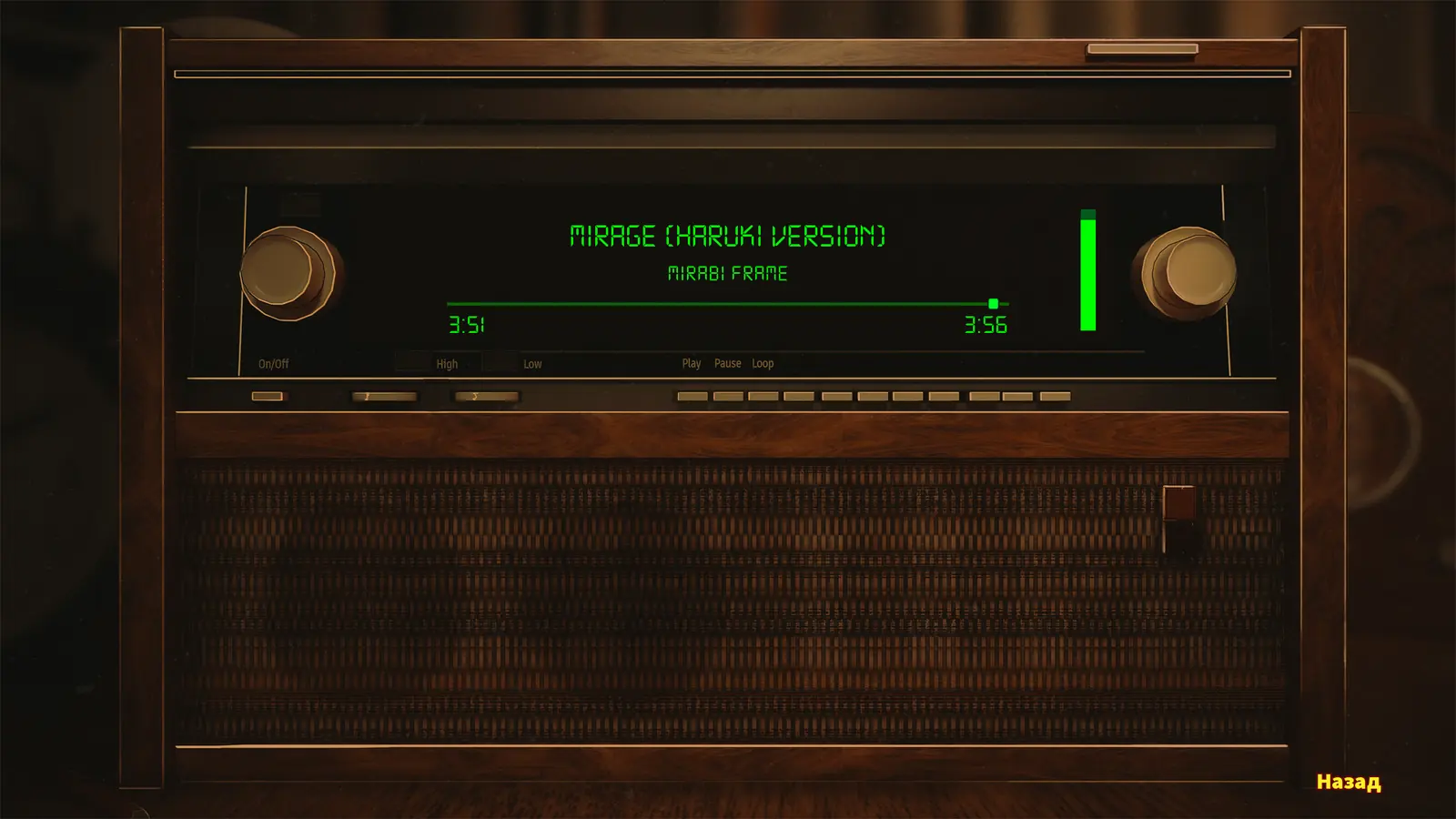
The built-in audio player is styled as a retro radio in a polished wooden case with dials and switches. It lets players separately listen to any track they’ve already encountered, and the interface shows both the track’s title and its composer. The soundtrack does not get lost across dozens of hours of play; you can come back to it outside any specific scene.
Inside the Proxima scripts
Looking through Proxima’s scripts makes it clearer why Red Dawn feels less like a set of bonus scenes and more like a standalone game built inside Ren’Py. The core folder holds more than just dialogue — it separately organizes playthrough state, various karma systems, achievements, the night-school mode with the “Megaloshkoloinator,” the audio player, interface code, and mini-games with a full RPG system and combat modules.
Karma is actually calculated here, not just mentioned
In Red Dawn, karma isn’t shorthand for “good” and “bad” choices — it’s a full hidden state system. This is especially clear in definitions.rpy: the results of the first four poem mini-games actually get converted into numeric values. The game tracks who each poem was really written for, compares the sequence of “winners” against the chosen direction, and calculates further values from there. The formulas differ by route: in some, simple repetition of poems dedicated to one girl matters most; in others, it’s how those poems are distributed across different stages of the playthrough; and in a few cases, a separate “resistance karma” is tracked as well.
On top of that, the poems form their own hidden layer of mechanics. The player just sees the familiar DDLC mini-game and picks words, but behind the scenes, each word awards points to several girls at once. The outcome determines not just a poem’s “winner,” but additional states like especially strong affection or plain positive regard. Those results can then influence which routes unlock and get converted into karma differently within each specific story. So two playthroughs that look similar on the surface can end up with very different internal states, depending on who the poems were dedicated to and in what order.
There’s no single universal karma system shared across every story. The Sayori route uses two stats, both tied to the direction chosen within that story; Monika’s route pairs regular karma with a separate puzzle-and-secrets system, plus a more demanding version of the poem mini-game — the dithyrambs. Yuri’s karma system is formally simpler, but that story leans more heavily on other mechanics and mandatory challenges. Natsuki’s route has its own “help points” plus an additional morale stat, while the “All Girls” route stays deliberately linear and doesn’t need a system like this to determine its ending.
All of this math is deterministic. There’s no hidden dice roll buried in the code — the outcome comes from specific words, poem winners, the sequence of decisions, story actions, and states already accumulated. Almost none of these numbers ever surface in the interface, though. Players see the consequences, not the underlying spreadsheet, so on a first playthrough karma reads more like the game’s hidden “memory” of your behavior. Only on a replay, or once you dig into the underlying mechanics, does it become clear just how much Red Dawn is actually calculating behind what look like ordinary story choices on the surface.
The poem system
The poem-writing mini-game takes the mechanic familiar from the original DDLC and expands it considerably. The word bank runs to nearly 900 unique words, 20 options show up per page, and poems can now be written with all four girls’ tastes in mind, Monika included. Each word awards a different number of points to different characters — if a word fits one of them especially well, her chibi reacts right there during the selection. A single word can also appeal to several girls at once, or fail to get a strong reaction out of anyone.
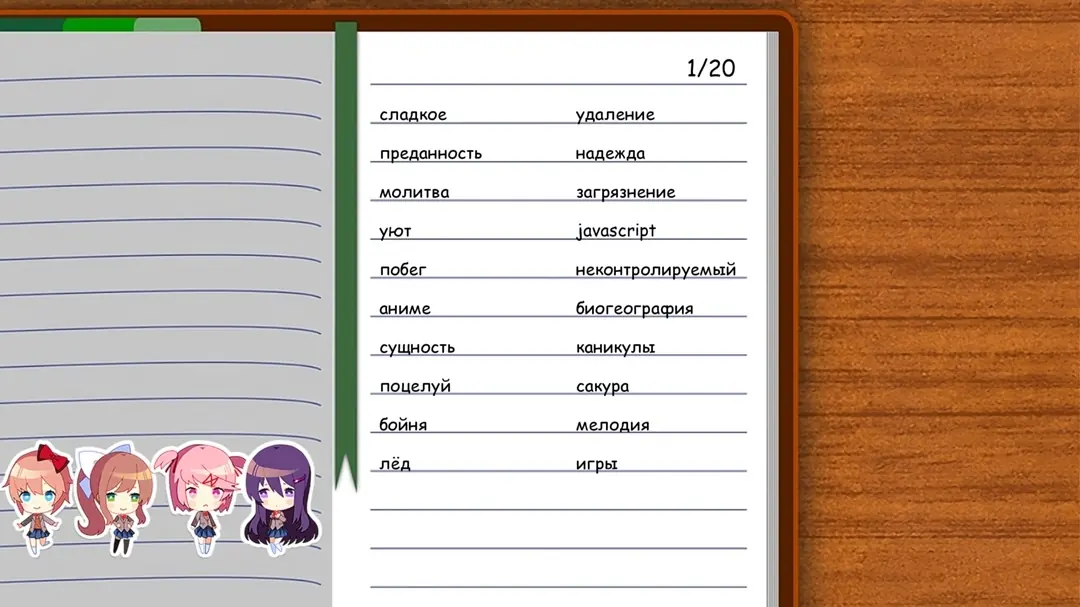
The game tracks not just the raw point total, but each girl’s final ranking within a given poem. The best result triggers the strongest reaction, a decent one gets something more moderate, and everything else registers as indifference. Players can write up to four main poems over a playthrough, and their effects don’t end with the mini-game itself — the results feed into unlocking routes and can later convert differently into a given story’s karma.
The same principle shows up again: the same system means something different depending on the route. For Sayori, what matters isn’t just which direction the poems lean, but how they’re distributed across different stages; for Monika, the poems are layered with a separate mechanic around especially strong poems — the “dithyrambs”; for Yuri, the poems’ influence is simpler on its own but embedded in a far more complex overall route structure; for Natsuki, later karma is already determined by other choices. So the poems here work as more than just an early way to “pick a favorite girl” — they’re one of the threads running through the entire mod, tying the first chapters to the later stories and their internal systems.
Achievements: a huge base of game states
Proxima’s release materials mention 25 new achievements. But the extracted ach.rpy file registers 129 keys in achievement_data: secret scenes, endings, encounters, route checks, puzzles, and references. That’s the real scale of the built-in achievement catalog.
Achievements break down by category. Some record a story outcome: good, bad, true, and alternate endings. Others require actions within a specific scene: hiding from Monika three times, visiting all five puzzle rooms, refusing to read your poem at the festival, or following the Lord’s teachings. A third group works as cultural references — everything from Boris Akunin to JoJo.
The built-in achievement gallery works well as an archive of secrets you’ve already found, turning the playthrough into an act of exploration.
Night school — a stealth mode inside the visual novel
The nightschool scripts show that the night-school section, with its “Megaloshkoloinator” system, is built as a full-on stealth mode. The code tracks fifty player moves and forty-five Monika moves, separate patrol counters, a list of already-checked positions, hiding spots, room keys, hints, and puzzle progress. The map is split across floors and rooms: chemistry, geography, history, English, music, psychology, club rooms, the principal’s office, and the roof.
The mode demands spatial awareness: knowing which room to check, tracking where Monika’s already been, when to spend a move, which key you need, and whether it’s worth the risk for an extra note. State carries over between nighttime episodes: keys and information you’ve already found affect later attempts.
The system’s biggest weakness is how much it piles onto the player. You have to track the story, the patrol, the rooms, the hints, the keys, and achievement conditions all at once. Without a guide, this sometimes turns into pure guesswork, so a built-in hint system would go a long way toward easing the load.
RPG modules: combat in Dark Marathon
A separate layer of Dark Marathon is built out in RPG_System.rpy. This is a full combat subsystem with two interface types: regular battles and standalone boss fights. The route features both single enemies and fights against several at once, and the ruleset can shift from one encounter to the next.
The core actions are a standard attack, a block, and a RAGE strike. Blocking and unleashing the RAGE attack can demand a timed reaction from the player, and a mistake can lead to a stronger counter-hit. One of the key battles even offers a QTE-based block with four difficulty levels, ranging from easy to “impossible.” Regular attacks aren’t just a simple exchange of numbers either — the system uses a random damage range, several tiers of critical hits, enemy dodges, and health recovery under certain conditions.
RPG_System.rpy ties combat into the route’s existing states. A hidden variable, limb_moral, affects health recovery, access to stronger critical hits, and extra chances to survive at low HP; in some fights, this stat gradually drops under enemy pressure. Because of that, the mechanic doesn’t exist separately from the story — the protagonist’s state going into a fight keeps mattering inside the RPG system itself.
The fights themselves are deliberately made fairly long, and the game warns players about this directly before one of the first full boss encounters. So the combat system in Dark Marathon reads as its own part of the route, with its own pace, difficulty, and consequences, not a short mini-game wedged between dialogue.
Technical side: Ren’Py configuration
Proxima’s options.rpy locks in settings for 1920×1080, GL2, hardware video, a 1024 MB image cache, and preloading up to 4096 statements. That delivers smooth parallax backgrounds and animations, but demands a decent amount of free RAM.
The interface has some notable choices: autosave and quicksave are disabled, text can be skipped after a 4-second delay, the dialogue log holds up to 50 entries, and a profanity filter runs through config.say_menu_text_filter. Disabling quicksaves protects the more complex script logic from breaking, and makes manual saving mandatory.
Content filtering, meanwhile, is optional — it’s toggled through a separate switch in the settings menu and comes in handy for streams and videos.
Technical breakdown: the takeaway
The source files back it up: the authors didn’t just write a lot of text — they built a system of interconnected states: karma, routes, achievements, a stealth patrol, a key inventory, combat stats, history, and music. That makes the project a genuinely notable entry among Ren’Py mods.
Who should play this
Worth trying if you’re into large-scale mods, branching stories, replays, hunting for hidden conditions, a Russian-Japanese setting, strong visuals, a huge amount of music, and gradually uncovering shared lore across different stories.
Worth playing with a guide if you want to deliberately steer toward a specific route, ending, or achievement without spending time brute-forcing the conditions yourself. That said, it’s still better to keep the first playthrough as independent as possible — that’s where the dramatic twists, mysteries, and general sense of discovery work best.
Before starting Proxima after finishing Optima, the most important thing to keep in mind is save compatibility. After the major script overhaul, old saves may not behave correctly, so the developers recommend starting a new playthrough through the button provided for that purpose, then quickly skipping through scenes you’ve already read. For a longer playthrough, it’s also smart to make manual saves regularly, at the start of chapters and before major forks.
Development and update gallery
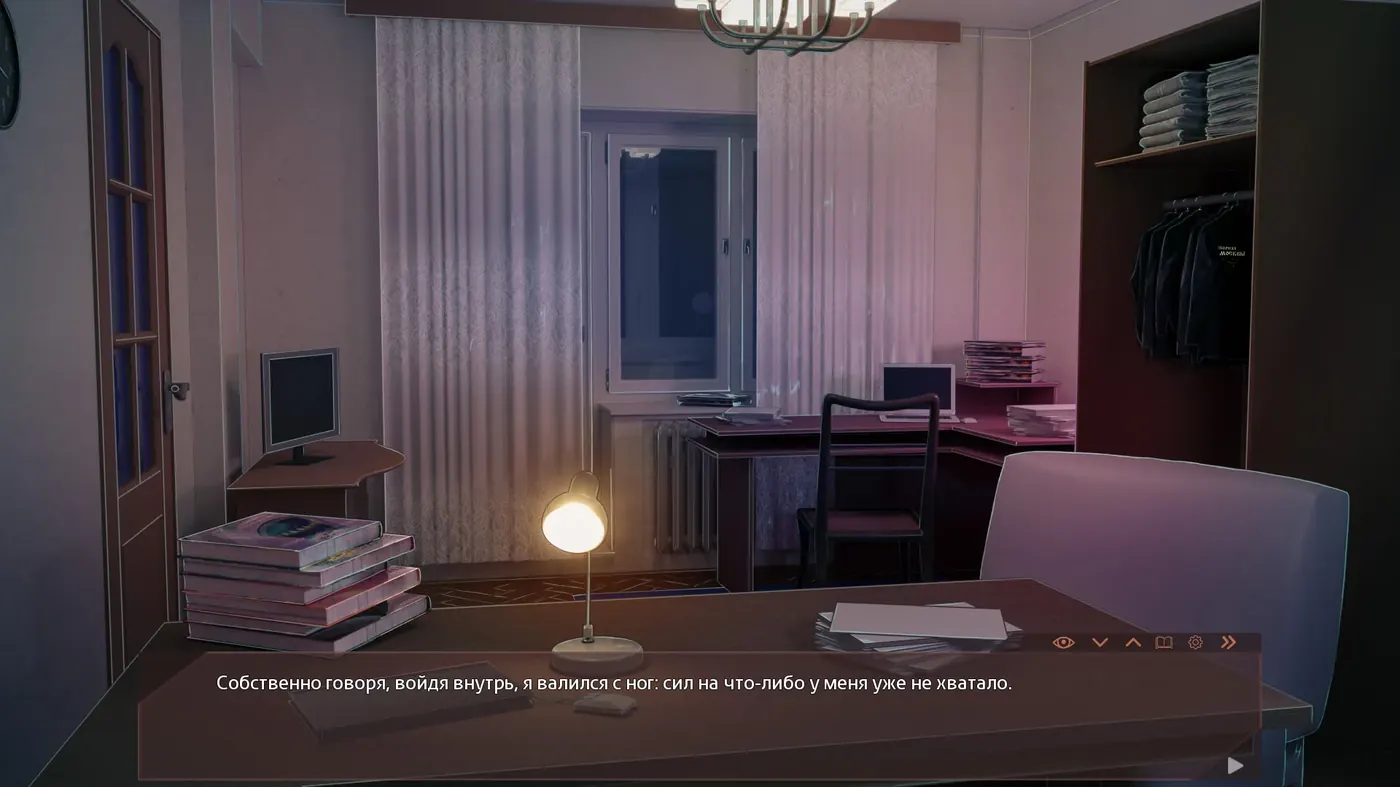
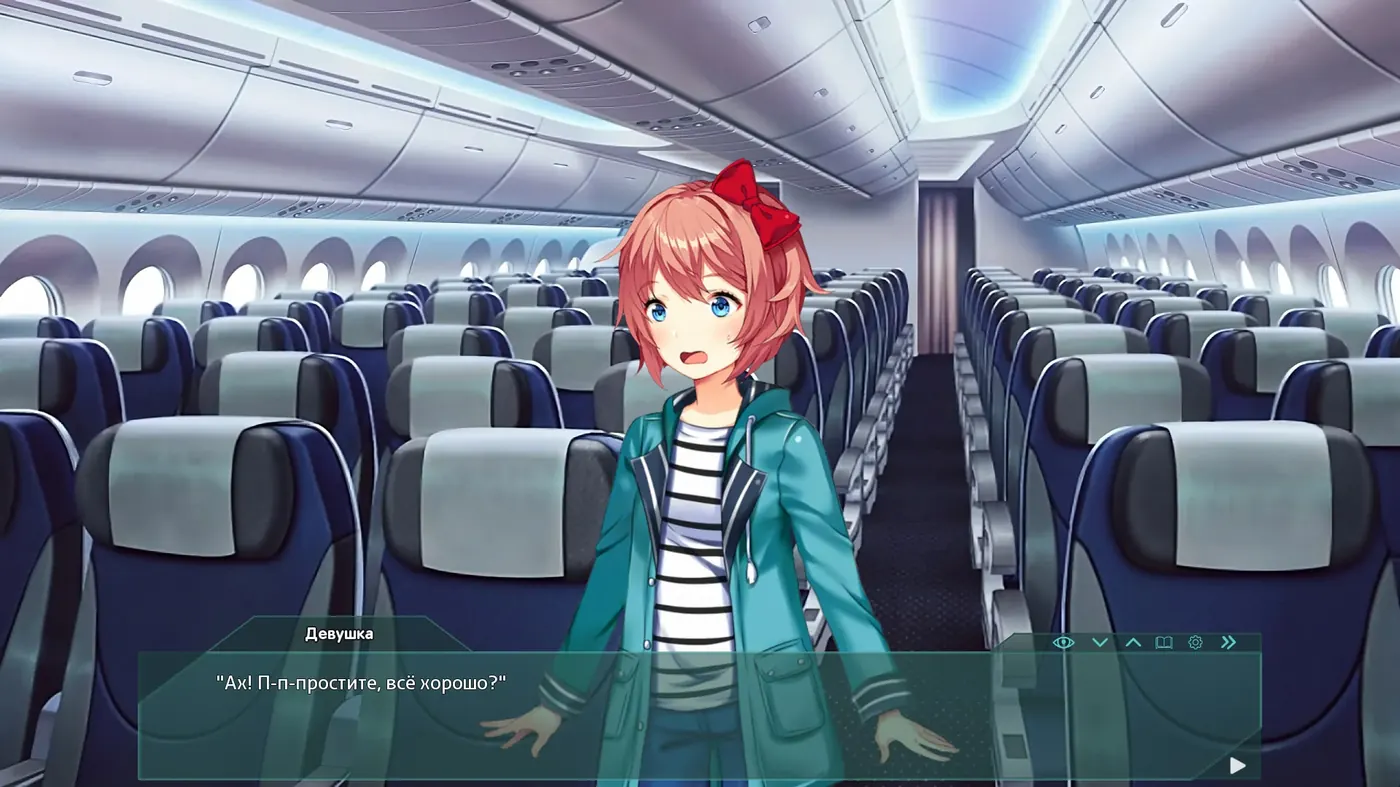
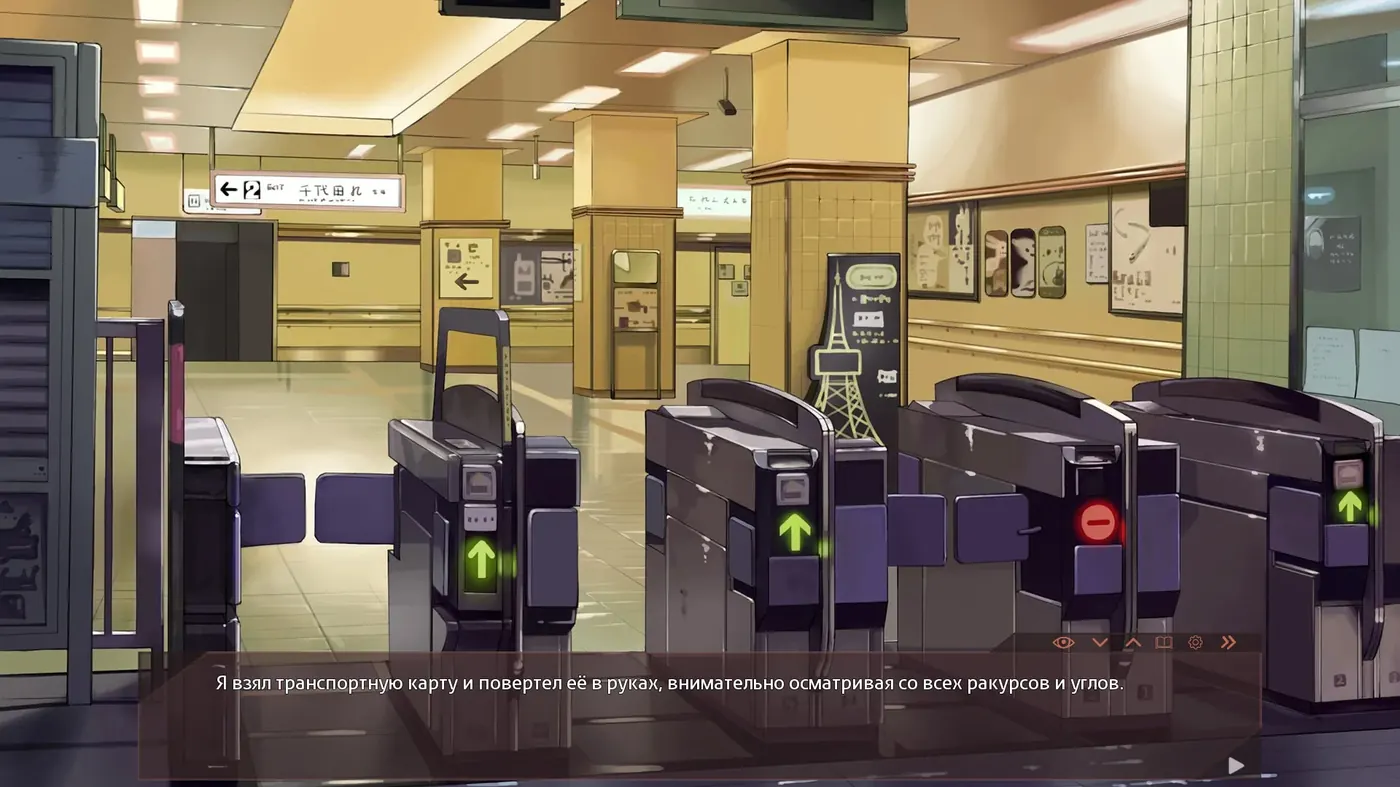
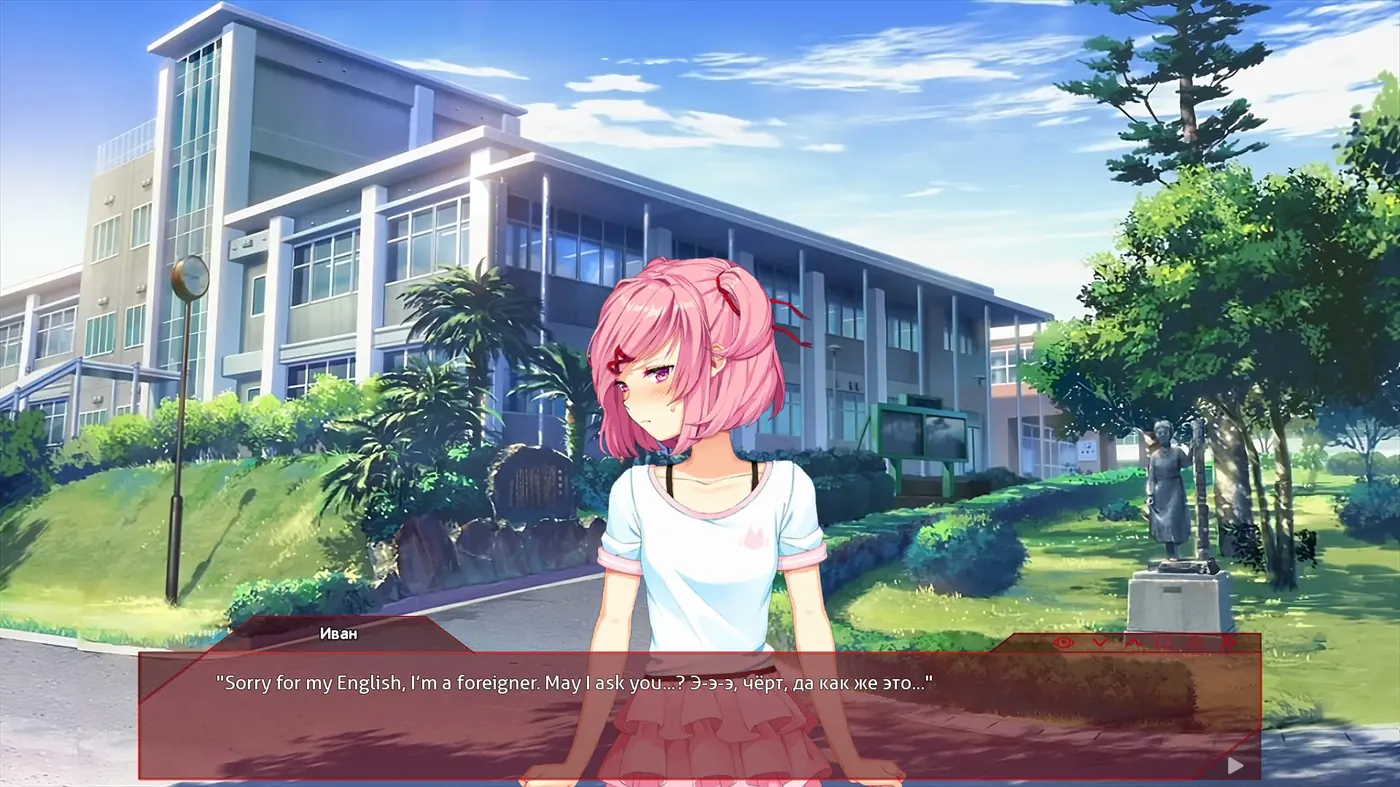
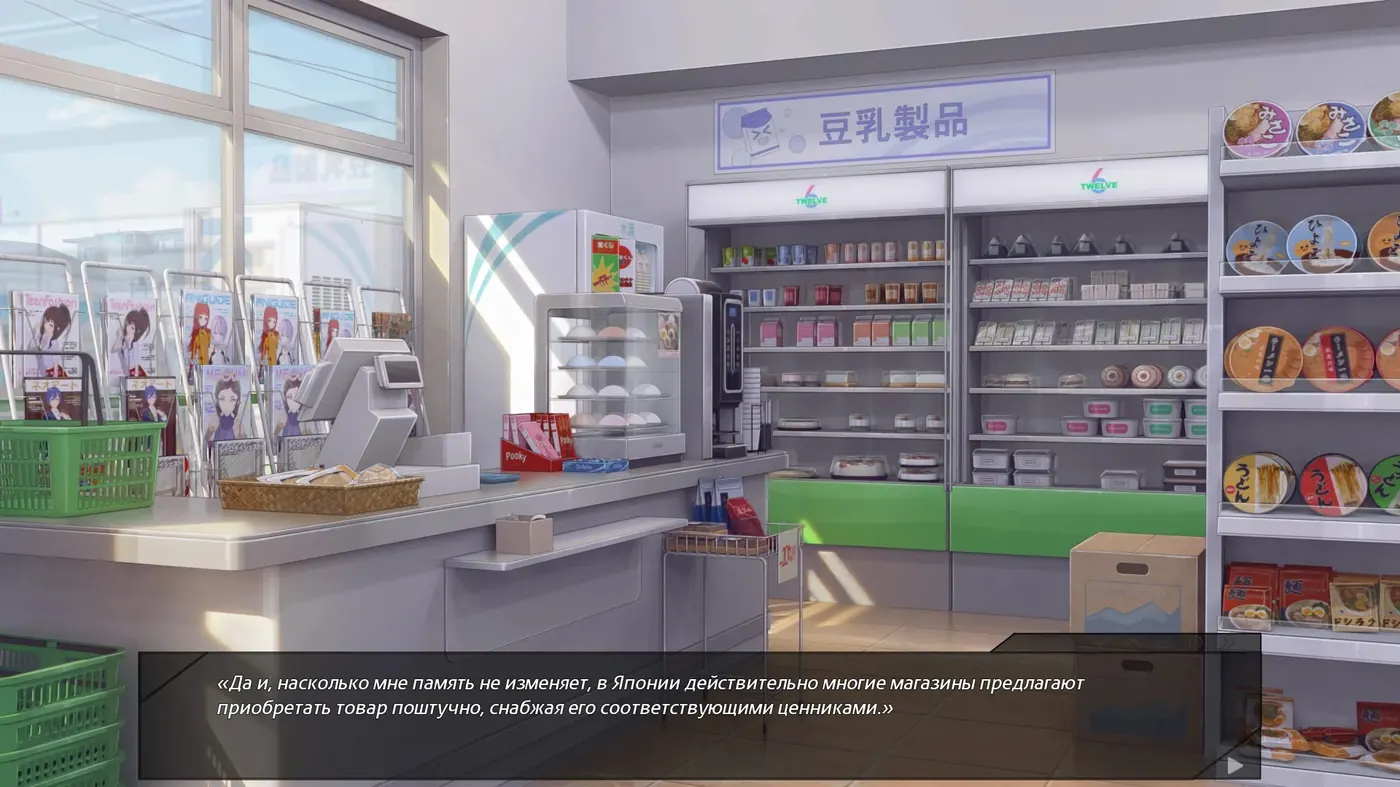
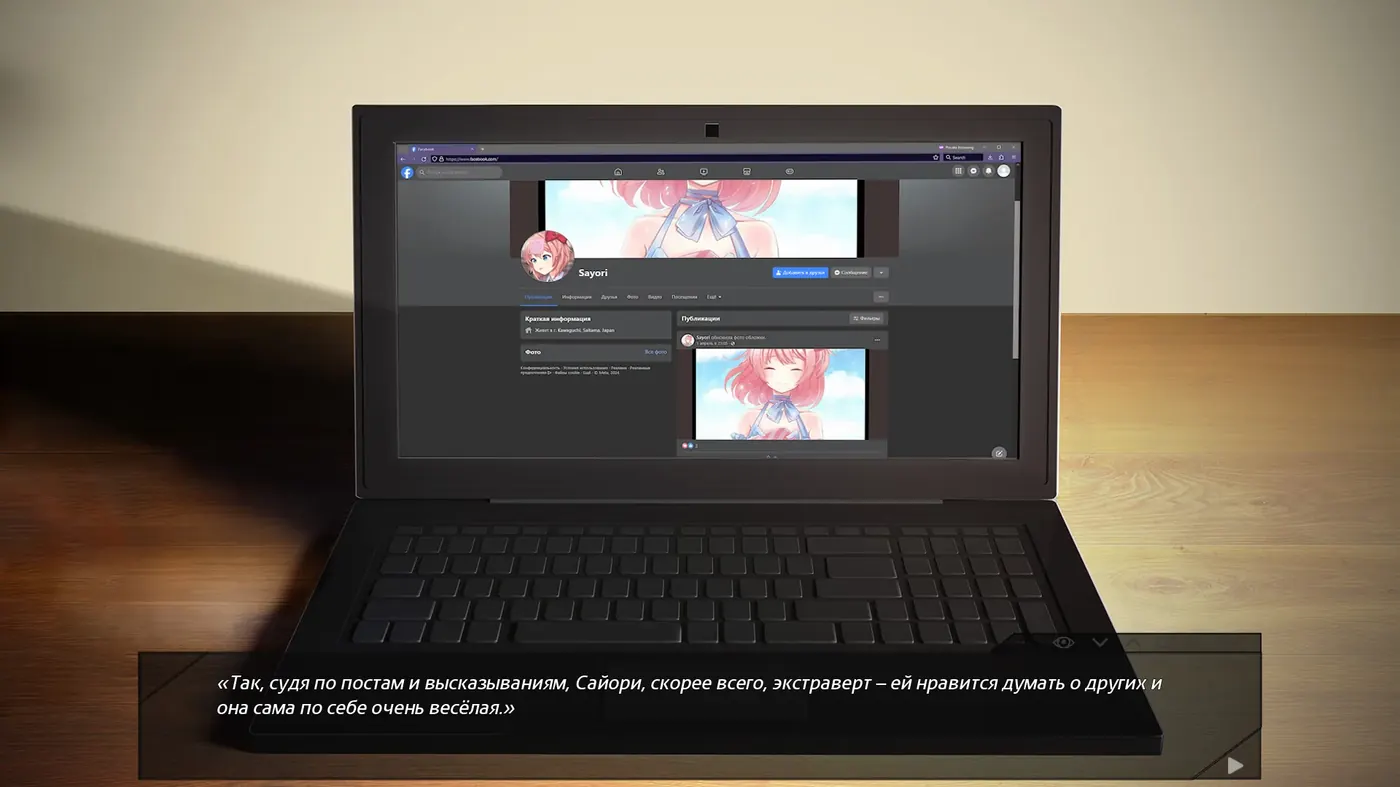
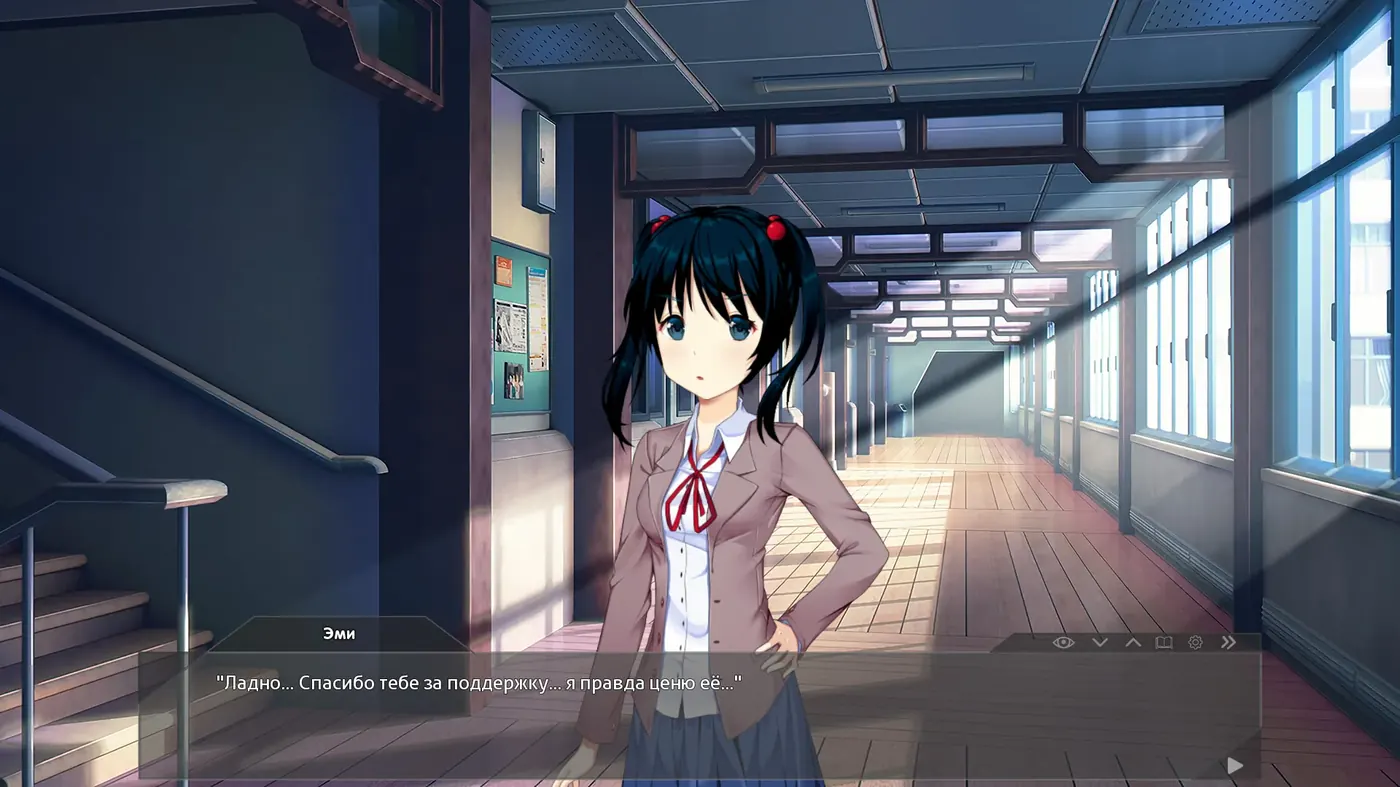
Below are ten in-game screenshots from Red Dawn’s VNDB page: scenes, interface, characters, and backgrounds from the visual novel itself.
Final verdict
Doki Doki: Red Dawn holds a lot of layers in one project. It is a collection of standalone stories set in a shared universe: each with its own internal logic, hidden conditions, distinct karma systems, mini-games, combat modules, achievements, and a substantial layer of deep lore. The central story about moving, adjusting, loneliness, relationships, and rebuilding a life still holds even if you never chase every secret.
The project shines brightest where its technical and artistic choices actively serve the story. The visuals have long been one of the mod’s calling cards, the massive soundtrack carries a lot of the atmosphere, and the flashbacks, hidden flags, and different karma outcomes genuinely make the game remember what the player did. Individual stories, meanwhile, can differ wildly from each other in structure and even genre — from something close to a classic dramatic visual novel to exploration, puzzles, and RPG elements.
A project this large demands patience from the player: not all of its inner workings reveal themselves on a first playthrough, some routes and secrets are easier to tackle with a guide, and technical optimization remains an ongoing area of work. Red Dawn still reads less like “a big DDLC mod” and more like a years-long passion project with its own look, its own mythology, and a taste for experimenting with form. If you like large non-linear mods that reward replays and show more on the second pass, Red Dawn is worth the time.
Sources and links
In-game screenshots in the gallery and promo art are taken from the VNDB archive; the screenshots featuring the audio player, the new character, and the poem-writing screen were taken by the review’s author, while the cover art and other in-text illustrations come from Red Dawn’s local project archive.